Renovation Before and After Photos: Singapore Website Guide
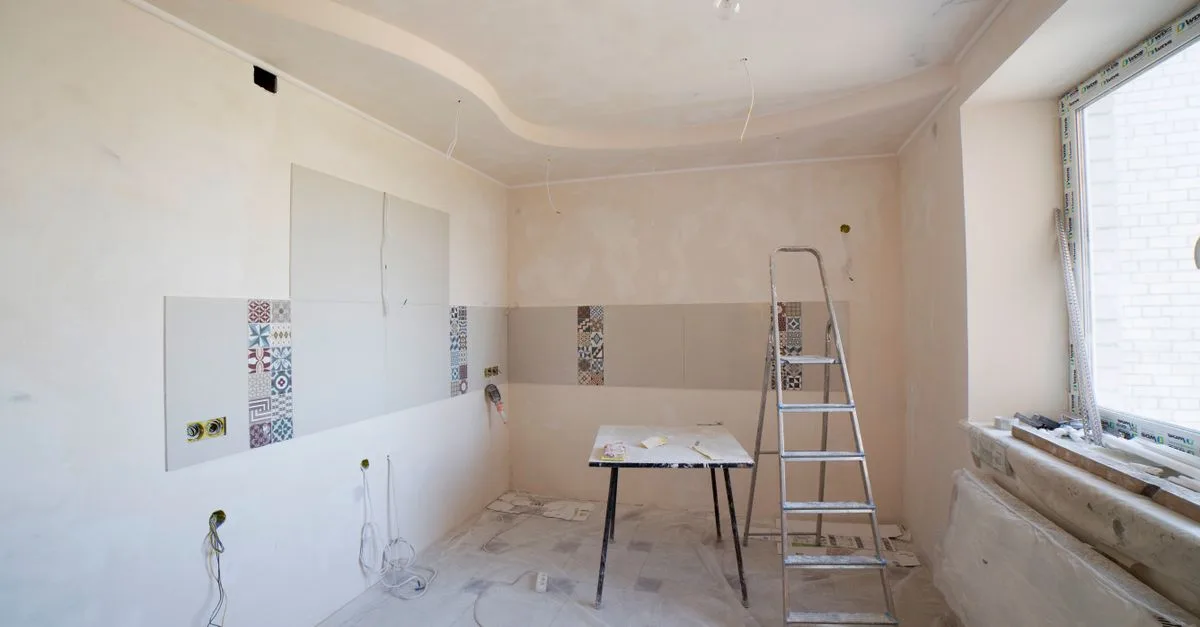
A homeowner in Punggol or Bukit Timah rarely calls the first renovation contractor they find. They open three or four websites, look at the projects, and message the one whose work looks like the home they want. For most of them, the deciding factor is the photos, more than the price list or your years in business.
Yet many contractor websites in Singapore show the same thing: a slider of glossy show-flat images, a gallery of 60 unlabelled photos, or nothing at all. This guide covers how to shoot, choose and publish before and after photos so they turn visitors into quote requests, for renovation, carpentry, painting, flooring and tiling companies alike.
A finished photo shows taste. A before and after pair shows what you actually did. A homeowner with a 20-year-old resale flat wants to know whether you can deal with hacked walls, uneven floors and old wiring, not whether you can photograph a new BTO with good lighting.
Pairs also answer the questions people are too shy to ask on WhatsApp:
The last point matters more than most owners think. Stock images of perfect kitchens are easy to spot, and once a visitor suspects one photo, they doubt the rest of the site.
You do not need a photographer. You need a routine your site supervisor follows on every job.
Before work starts, stand in the doorway of each room and take one wide photo at chest height. Mark where you stood (a strip of masking tape on the floor or a note like "kitchen, from service yard door"). After handover, stand on the same spot, hold the phone at the same height and shoot again. Pairs taken from the same angle are far more convincing than two random photos of the same room.
Get the homeowner's permission to publish in writing, even a WhatsApp message counts as a record. Make it part of your handover checklist so nobody has to remember it.
Under Singapore's PDPA, the PDPC's advisory guidelines state that an image of an identifiable individual in a photograph is personal data, and that an organisation publishing such a photo for business purposes generally needs the person's consent. The same guidelines suggest keeping that consent in writing or in a form you can refer to later.
In practice, for a renovation website:
This is general information, not legal advice. If you are unsure, ask the owner and leave the photo out.
A single gallery page with every photo you have ever taken is hard to browse and gives Google nothing to understand. A short page for each project works better. Each page needs:
Owners think in property types and rooms, not in your internal job numbers. Useful groups are:
Our guide on what to put on a renovation contractor website in Singapore covers the rest of the page structure, from services to licences.
Under each pair, add one or two sentences: what the problem was and what you did. "Original 1990s tiles were hollow in several places. We hacked the floor, re-screeded and laid 600 x 600 homogeneous tiles." That sentence does more selling than the photo alone, and it gives Google words to rank.
Google's own image guidance says that alt text is the most important attribute for describing an image, that filenames should be short but descriptive, and that images should sit near relevant text. For a contractor, that means:
The goal of a portfolio is a message, not a compliment. Put a short line under every project: "Planning something similar? Send us your floor plan on WhatsApp." When the visitor taps, your quote form or WhatsApp message should already mention the service they were looking at, so your team knows what to reply.
On a Passive Coder website, project pages are built from the same blocks as the rest of your site, quote forms can pre-fill the service the visitor picked, and the site goes live in one day. You pay once (from S$499 in Singapore, see pricing), and hosting and your domain are included for the first year. If you would rather not upload projects yourself every month, a Care plan covers that for our CMS.
Quality matters more than quantity. Six to ten well-documented projects with before and after pairs and captions will do more than a gallery of 200 photos. Add new ones regularly so the site looks active.
Only with their permission, and only if your team did the work shown. Credit the designer in the caption if they ask for it. Never present someone else's project as your own.
The PDPC guidance above is about identifiable people. Even when nobody appears, homeowners can be upset to find their home online, so asking is good practice and builds trust. Keep the reply on record.
Yes. Many contractors prefer to quote after a site visit. A rough range per project type, if you are comfortable with it, can filter out enquiries that will never fit your budget.
Want to see your projects on a site built to get quote requests? Start a free trial and add your first project today.